Budget preparation involves retained earnings collecting and organizing the data from various sources, such as accounting records, financial statements, invoices, receipts, forecasts, and projections. The data should be accurate, complete, consistent, and relevant to the purpose and scope of your budget report. In this section, we will discuss some tips and best practices on how to collect and organize the data for your budget report.
- Based on your findings and insights, provide your recommendations and suggestions for improving your budget performance and outcomes.
- A primary component of success is the ability to meet or exceed the expectations you set for your business.
- Since budgets are financial goals based on estimates and future projections, they are often inaccurate and can differ largely from the actual financial performance of a company.
- Depending on your purpose and audience, you may need to adjust the level of detail, the format, the tone, and the language of your report.
- Your recommendations should be clear and concise, and should motivate your reader to take action.
- A Citizen’s Budget can help improve the public’s understanding and trust of the budget and the government.
The Importance of Budget Reports
- However, for favorable variances, companies may adjust the underlying budget.
- The above template shows the list of factors that are tested for the making of an accurate budget report.
- The budget proposal will provide a detailed and accurate estimation of the income and expenses of Project ABC for the period of February 1, 2024 to January 31, 2025.
- These examples can showcase how stakeholder involvement leads to improved budget accuracy, increased buy-in, and better financial outcomes for the organization.
- However, budget reporting can also be a daunting task, especially if you are not well-prepared, organized, and clear about your message.
- In this concluding section, we will summarize the main points of the blog and offer some insights from different perspectives on the value of good budget design.
It demonstrates the organization’s commitment to financial transparency and accountability. Investors rely on budget reports to assess the financial viability and stability of an organization. Clear and concise budget reporting enhances the organization’s reputation and attracts potential investors. Effective budget reporting plays a crucial role in conveying the financial performance and analysis of an organization. It serves as a powerful tool for decision-making, resource allocation, and accountability. In this section, we will delve into the significance of effective budget reporting and explore various perspectives on its value.
Emphasizing the Value of Effective Budget Reporting
It involves evaluating the financial health and efficiency of a company by analyzing various financial statements and metrics. From a managerial perspective, financial performance analysis helps in assessing the company’s profitability, liquidity, solvency, and overall financial stability. Visuals and graphs play a crucial role in enhancing the effectiveness of budget reports.

What are the advantages and disadvantages of different software and platforms?
- It is a type of forecast that companies prepare to set a base for future performance.
- You can use various tools and methods to analyze your current situation and performance, such as financial statements, variance analysis, SWOT analysis, benchmarking, and feedback.
- One of the most important steps in budget reporting is budget analysis.
- You need to establish clear and specific objectives and indicators that are aligned with your budget plan and your overall goals.
- In this section, we will delve into the various budget estimation methods that can help you make informed decisions for your project or organization.
- We will also provide some examples of popular software and spreadsheet applications that you can use for budget reporting, such as Microsoft Excel, Google Sheets, QuickBooks, and Xero.
- This information on the software and how to operate it may be helpful for many people seeking to implement a similar budget report system in their organization.
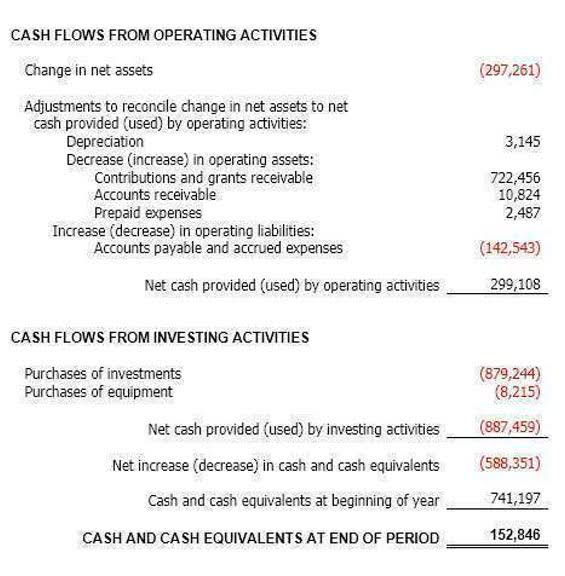
It shows whether the business has a positive or negative cash flow in each period. A positive cash flow means that the business has more cash coming in than going out, which indicates a healthy financial situation. A negative cash flow means that the business has more cash going out than coming in, which indicates a potential cash flow problem. You need to calculate the net cash flow for each period by subtracting the cash outflows from the cash inflows.
Financial Budget Reporting
When reviewing your budget reports, pay close attention to variances. When variances occur (and they will), scrutinize the differences to determine why your expenditures or bookkeeping and payroll services income are veering off course. Then consider whether the variances indicate the need for any corrections, adjustments, or actions to realign your actual numbers with your budget or your budget with your actual numbers. By comparing your planned spending and revenue to your actual spending and revenue, you can do a better job of setting effective goals for your business. Furthermore, effective budget reporting aids in compliance with regulatory requirements.
Creates Accountability
When it comes to organizing your explain why different budget report formats are useful. budget and creating clear categories and subcategories, there are several key considerations to keep in mind. By structuring your budget effectively, you can gain better visibility into your finances and make informed decisions. However, the budget report can also have various limitations.